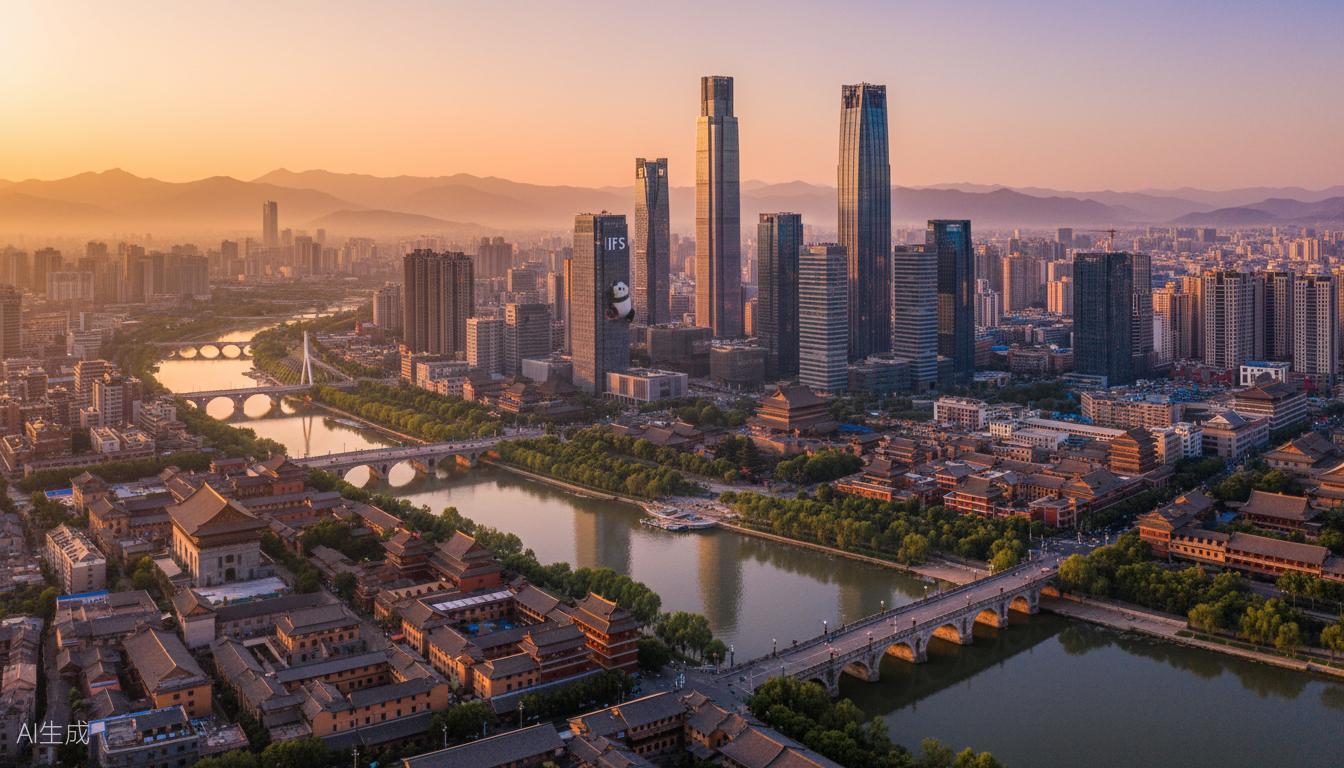
Chengdu
Land of Abundance · Pandas · UNESCO City of Gastronomy
Last updated 22 July 2026 · by the Walk Voyage Editorial Team
Visitor data snapshot
What travelers actually experience in Chengdu
Verified visitor numbers, ratings, and ticket prices from a third-party travel platform. Trip.com international edition (USD pricing), snapshot 2026-07 · snapshot 2026-07-22.
79
Bookable attractions
4.60/5
Average rating
514K
Total reviews
14
Free entries
| Top attraction | Rating | Reviews | Ticket (USD) |
|---|---|---|---|
| Giant Panda Breeding Research Base | 4.6 | 107,314 | $8.12 |
| Polar Ocean Park | 4.8 | 37,205 | $26.28 |
| Du Fu Thatched Cottage Museum | 4.7 | 43,995 | $7.38 |
| Wuhou Shrine Museum | 4.6 | 27,821 | $7.38 |
| Happy Valley | 4.8 | 18,361 | $33.95 |
| Kuanzhai Alley | 4.6 | 13,720 | Free |
| Jinli Street | 4.6 | 16,214 | Free |
| Chengdu Zoo | 4.7 | 13,270 | $2.96 |
| Natural History Museum | 4.9 | 8,013 | $2.96 |
Source: Trip.com international edition (USD pricing), snapshot 2026-07. Prices and review counts shift over time; check the source platform for current booking.
Chengdu at a glance
Travel snapshot- Province
- China
- Best season
- Mar-Jun, Sep-Nov
- Trip length
- 4 days recommended
- Avg budget
- $357 per person
- Top attractions
- 15 featured · 8 rated 4.7+
- Food picks
- 8 signature dishes
- Routes curated
- 3 multi-day itineraries
- Budget
- ¥2085 itemized
About Chengdu
Chengdu, the capital of Sichuan Province, is known as the 'Land of Abundance.' With 4,500 years of civilization and over 2,300 years of city-building history, it is one of China's first national historical and cultural cities. Chengdu is the hometown of giant pandas and was designated by UNESCO as a 'City of Gastronomy.' Here, you can experience the richness of ancient Shu civilization while enjoying the vibrancy of a modern metropolis. The leisurely chats over tea in teahouses, the steaming hot pots in bustling restaurants, and the adorable giant pandas at the panda base all shape Chengdu's unique urban character. Once you arrive in Chengdu, you'll discover that life can slow down — just a little more.
Best Season
Mar-Jun, Sep-Nov
Days Recommended
4 Days
Avg Budget
$357
Location
Sichuan, China
Must-See Spots
Top Attractions in Chengdu

Giant Panda Breeding Research Base
The world's largest giant panda breeding research institution, covering over 1,000 mu with giant pandas, red pandas, black-necked cranes, and other rare animals. Observe adorable pandas eating bamboo, climbing trees, and rolling around up close.
Arrive before 8 AM when pandas are most active; the Moon Delivery Room offers views of baby pandas.
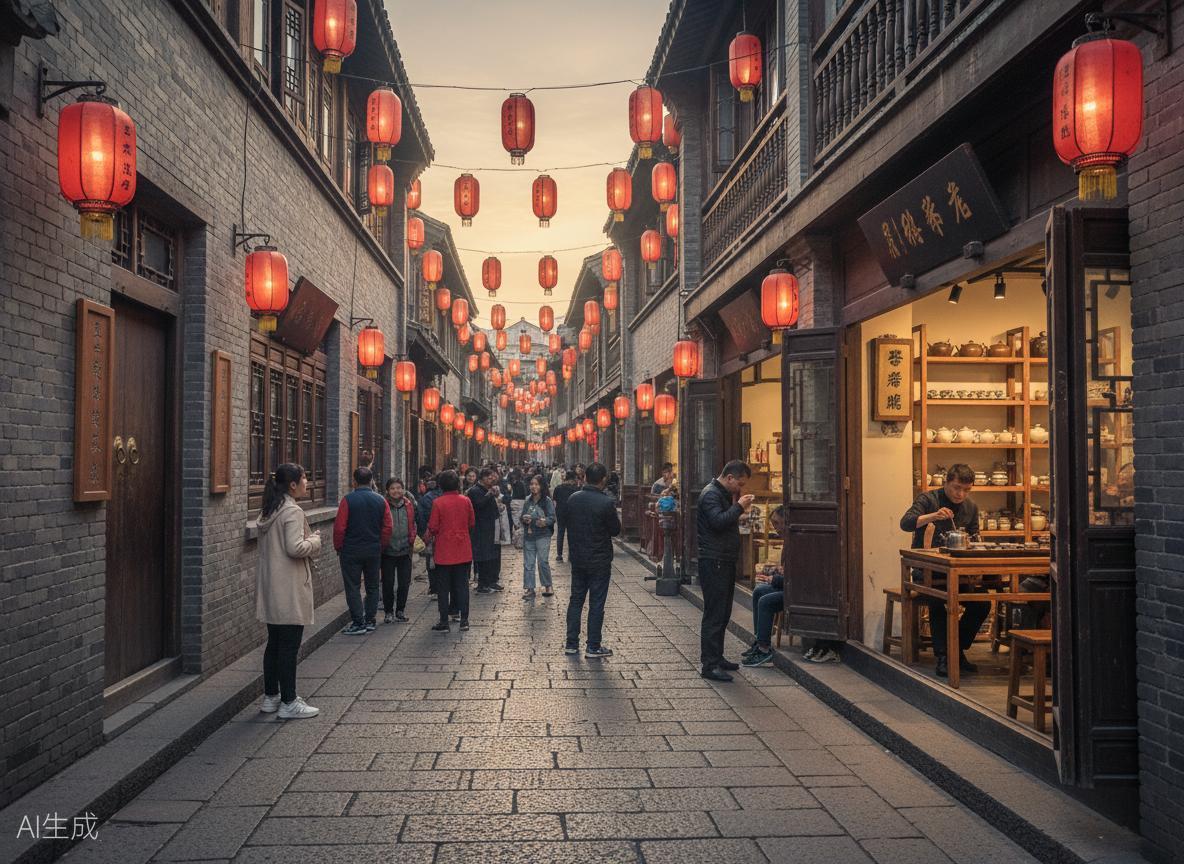
Kuanzhai Alley
Ancient Qing Dynasty streets consisting of three parallel old streets — Kuan Alley, Zhai Alley, and Jing Alley — along with traditional courtyard compounds. A microcosm of old Chengdu life.
Visit in the evening for the best atmosphere; try ear cleaning and Sichuan opera face-changing performances.
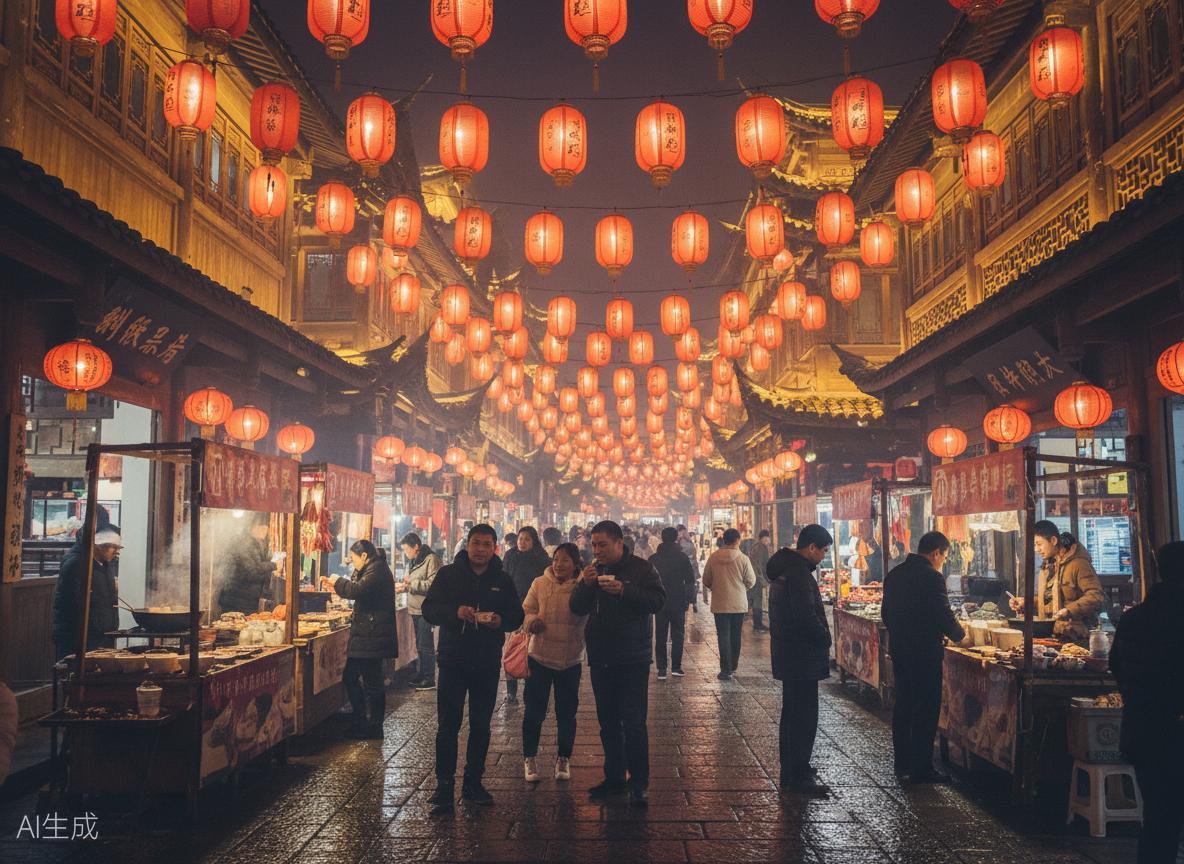
Jinli Ancient Street
Part of the Wuhou Shrine Museum, known as 'the first street of West Shu.' 550 meters of late Ming and early Qing Chuanxi-style architecture with Three Kingdoms culture and Chengdu folk customs as its soul.
Visit in the evening for the most charming scene when the red lanterns light up.
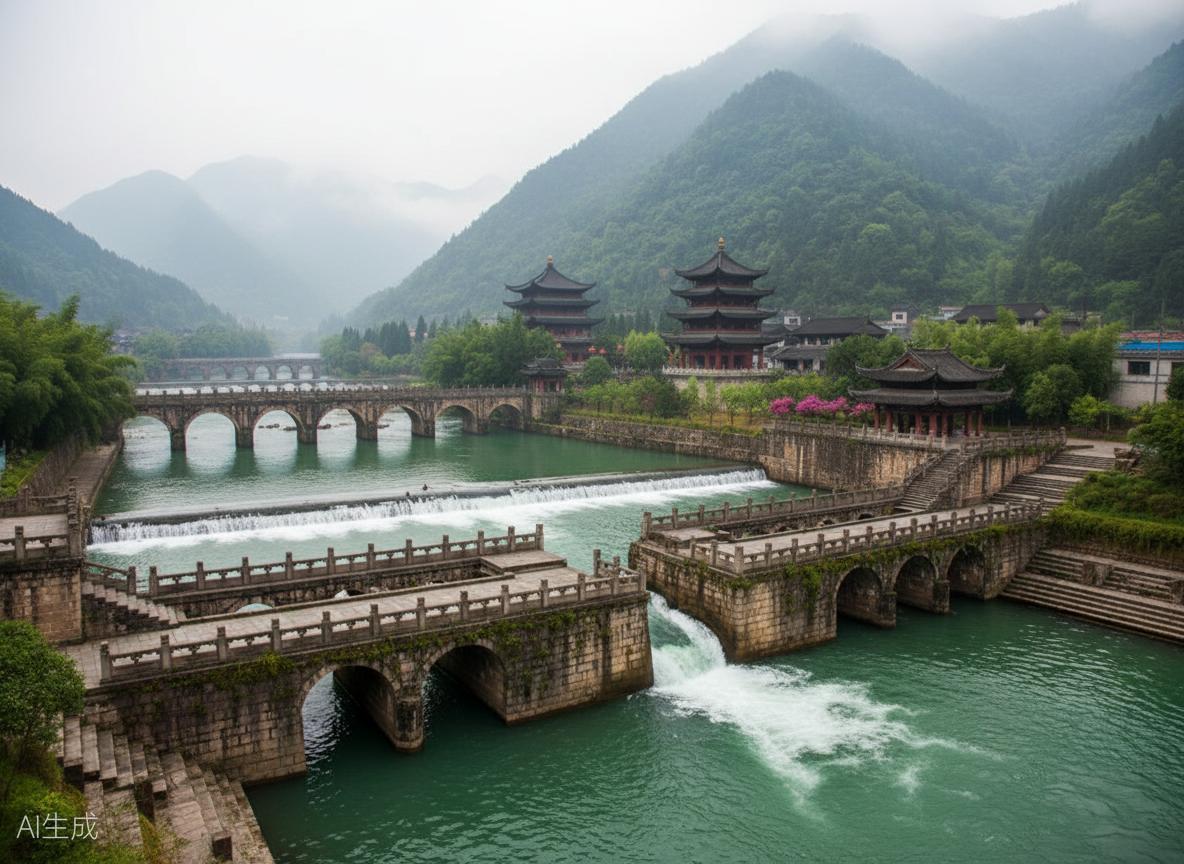
Dujiangyan Irrigation System
A UNESCO World Heritage Site originally built around 256 BC. This large-scale irrigation project organized by Li Bing has a history of over 2,200 years and still functions today.
Can be combined with a Qingcheng Mountain day trip; consider hiring a guide to explain the irrigation engineering.
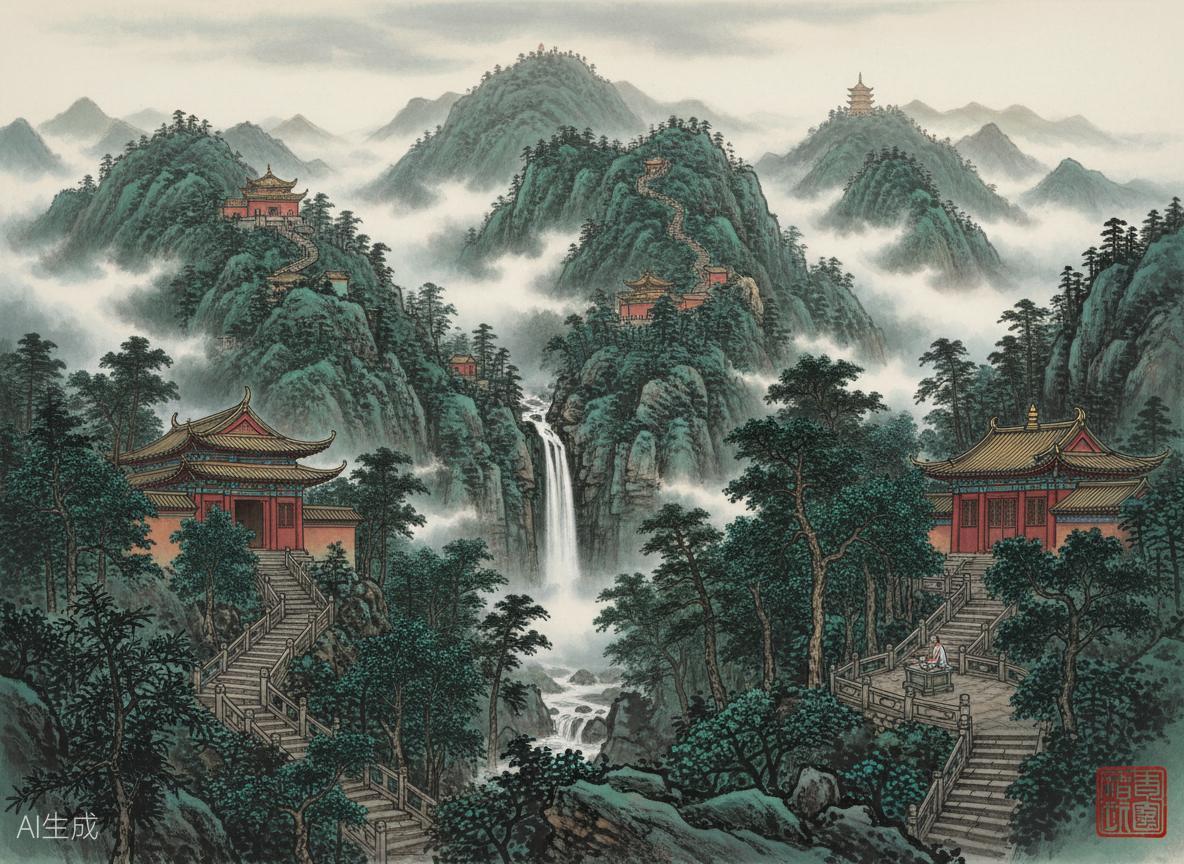
Qingcheng Mountain
One of China's four sacred Taoist mountains and a UNESCO World Heritage Site, renowned as 'Qingcheng, the most secluded mountain in the world.' Lush with trees year-round, surrounded by peaks shaped like a city wall.
Front mountain for Taoist culture, back mountain for natural scenery; consider taking the cable car up.
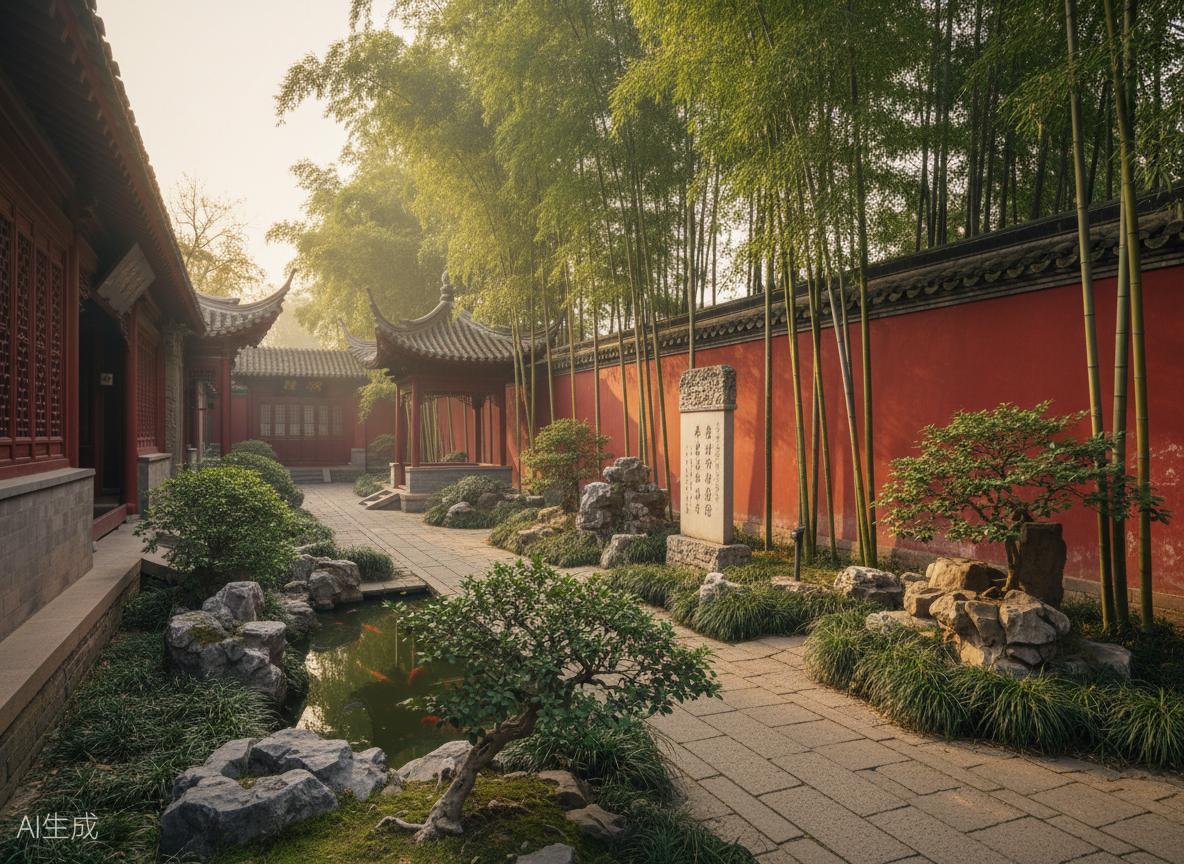
Wuhou Shrine
China's only temple that worships both a ruler and his subjects together. The most celebrated memorial site for Zhuge Liang, Liu Bei, and the Shu Han heroes, as well as the most influential Three Kingdoms relic museum in the world.
The bamboo-lined path along the red wall is a perfect photo spot; consider renting an audio guide.
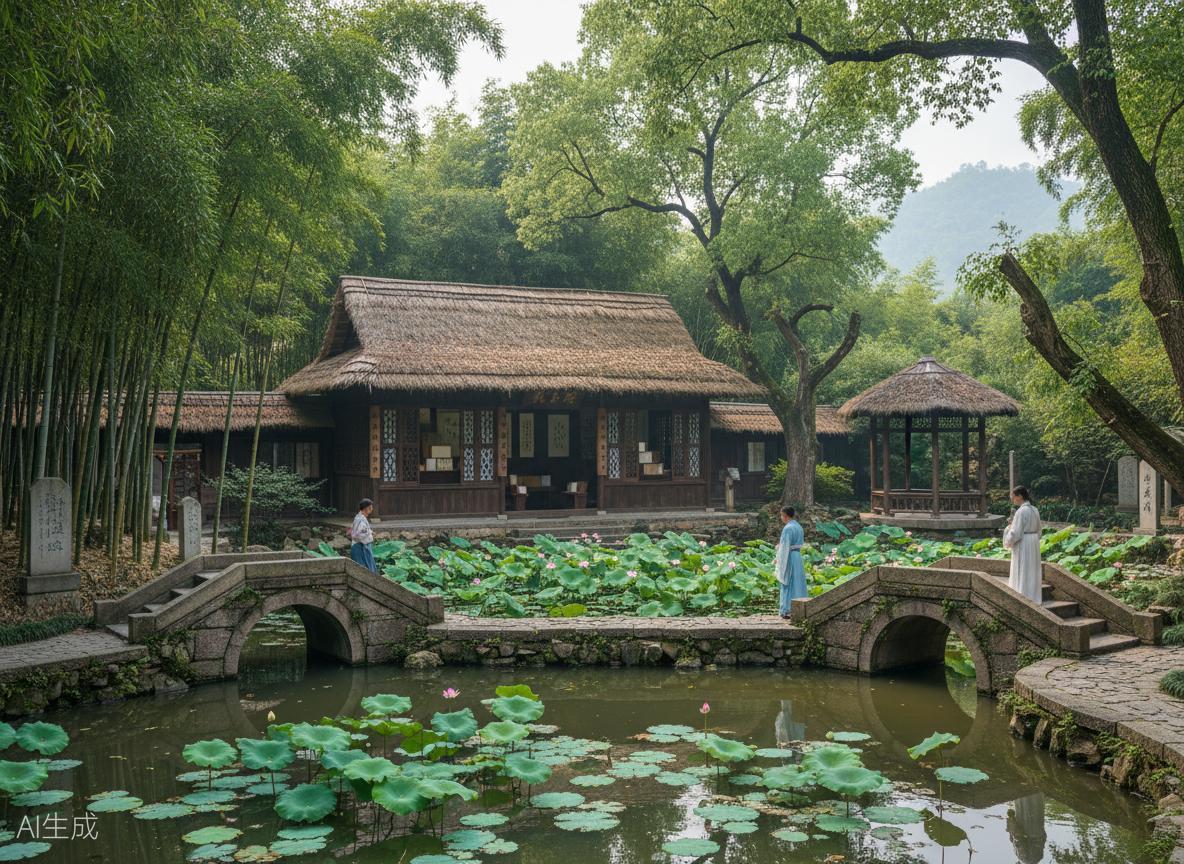
Du Fu Thatched Cottage
The former residence of the great Tang Dynasty poet Du Fu during his stay in Chengdu. Du Fu lived here for nearly four years and composed over 240 poems. Winding streams, pavilions, and lush gardens.
Visit in spring for full garden blooms; the thatched cottage area is the most authentic.
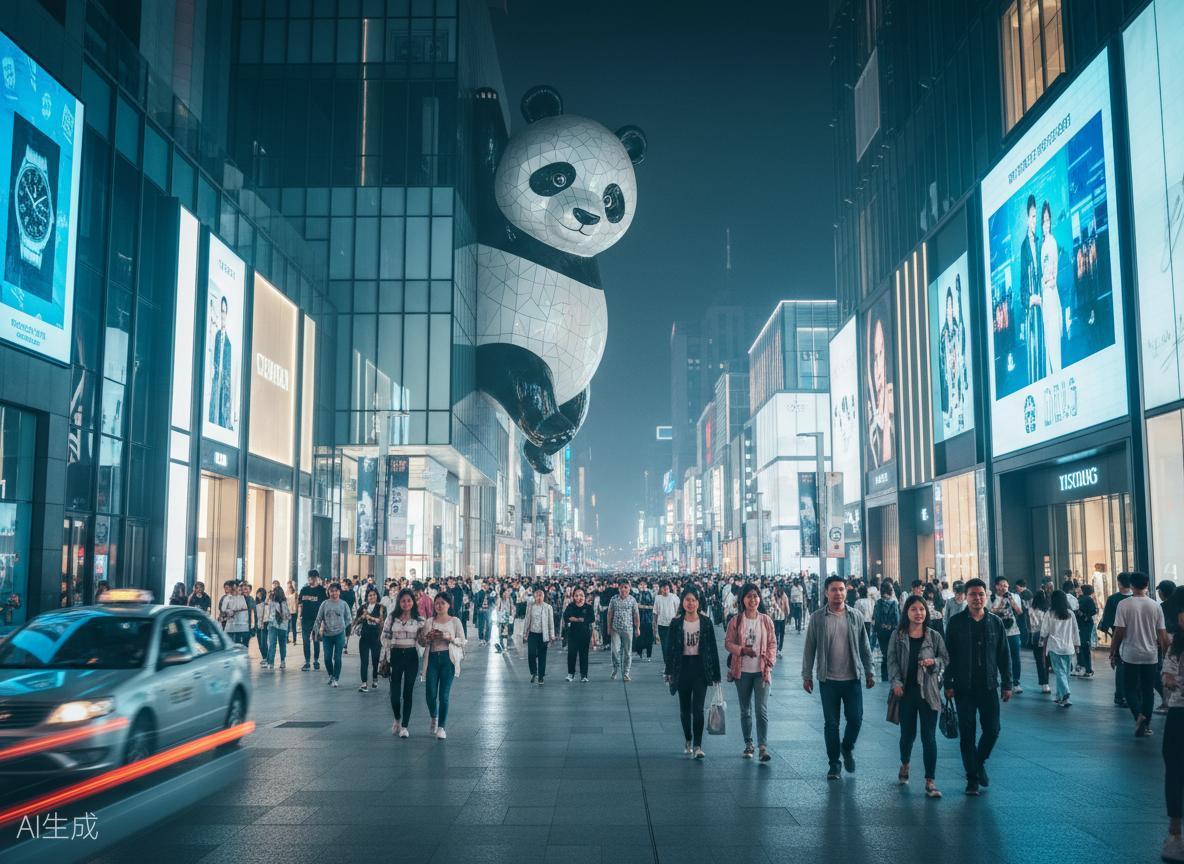
Chunxi Road · Taikoo Li
Chengdu's most vibrant commercial center where century-old Jin Street meets the open, low-density Taikoo Li shopping district. The climbing panda sculpture on the IFS rooftop has become a new landmark.
Expect a queue to photograph the giant panda on the IFS rooftop; Taikoo Li's night view is more enchanting than daytime.
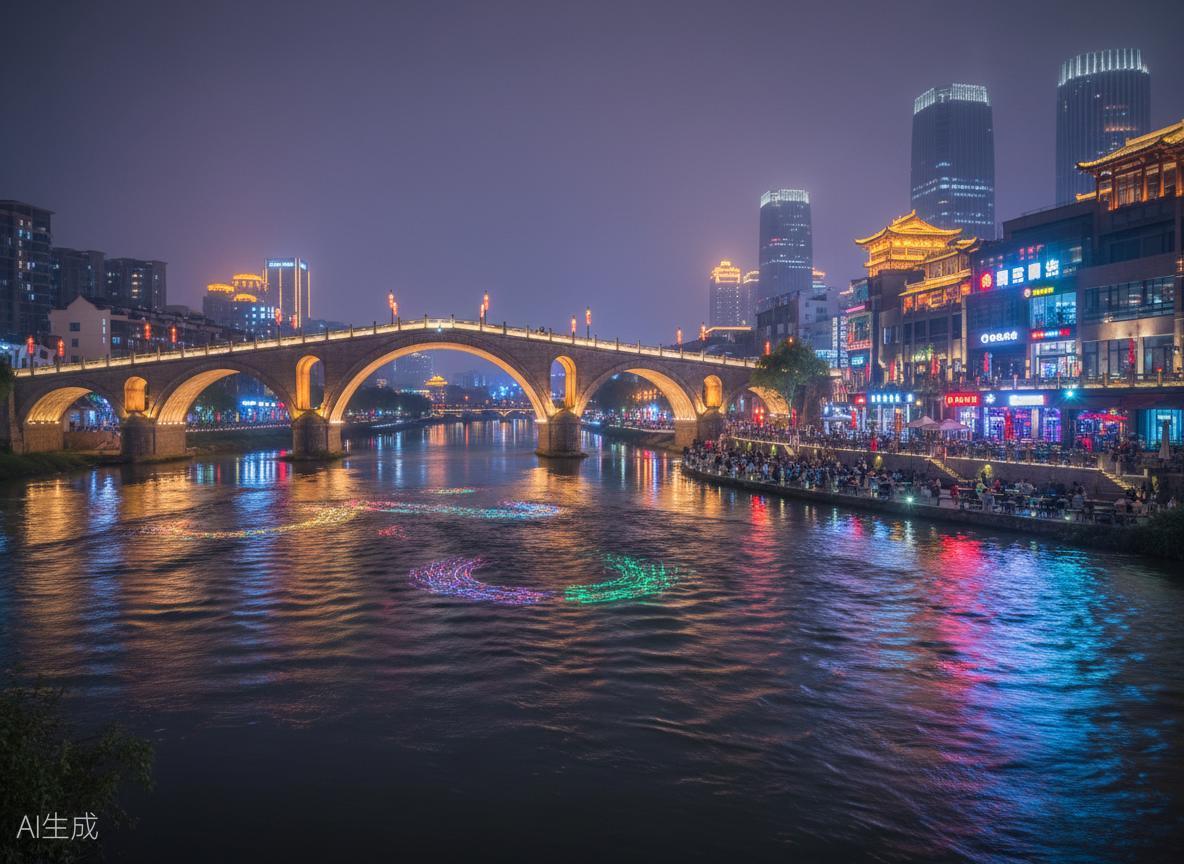
Jiuyanqiao Bar Street
The iconic nightlife spot of Chengdu. Anshun Bridge spans the Funan River, with hundreds of diverse bars and live houses lining both banks.
The atmosphere is best after 9 PM; Anshun Bridge is the classic spot for night photography.
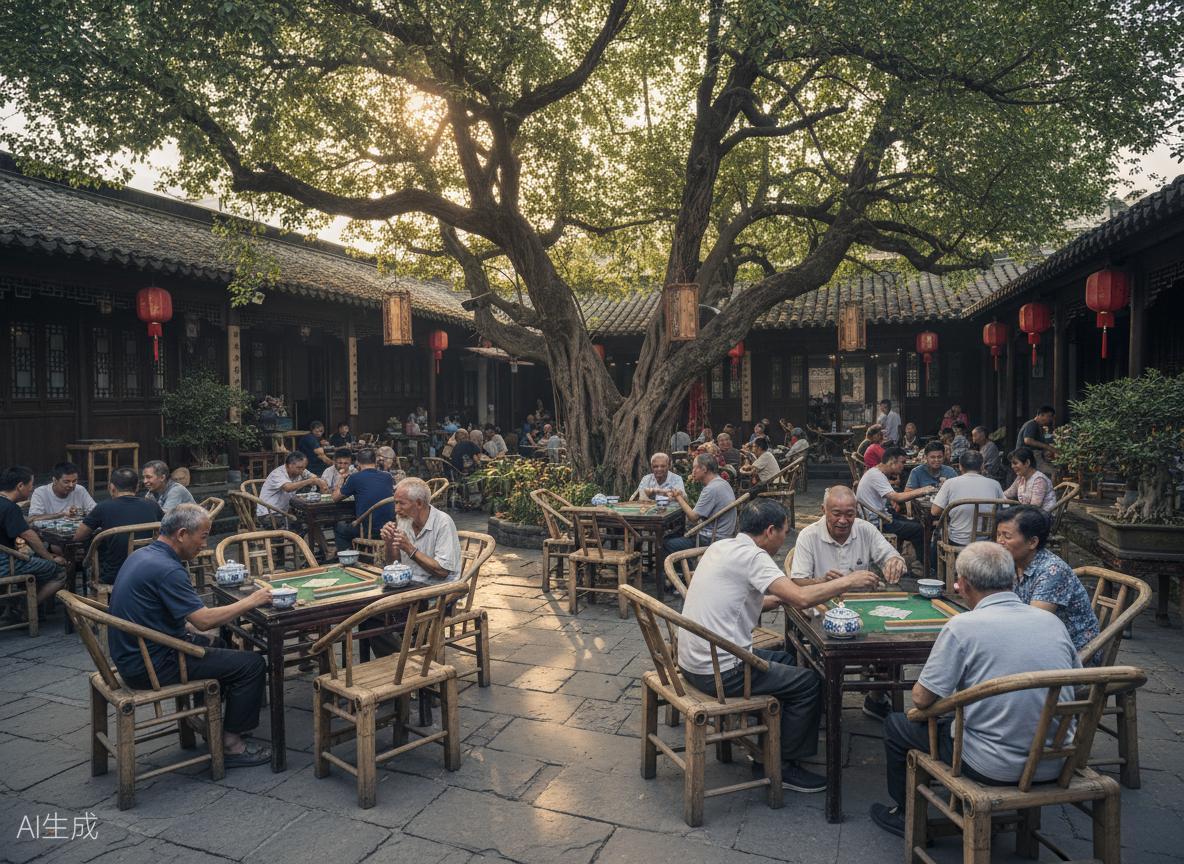
Heming Teahouse · People's Park
One of Chengdu's oldest teahouses, founded in 1923 with a century of history. Bamboo chairs, low tables, and covered-bowl tea — experience Chengdu's authentic 'bai long men zhen' culture.
Tea costs about ¥20-200 per seat, ear cleaning about ¥30; afternoons are the liveliest.
Kuanzhai Alley (Wide and Narrow Alley)
Three parallel Qing-dynasty streets (Kuan, Zhai, and Jing) lined with traditional Sichuan courtyard houses, teahouses, and snack stalls. Free entry, 13,720 verified reviews on Trip.com (4.6/5).
Go in the late afternoon to catch both daylight photos and lantern-lit night scenes; nearby Huanhuaxi Park is a quieter walking escape.

Chengdu Polar Ocean Park
Indoor summer-cool ocean park with blue underwater tunnels, beluga and dolphin shows, jellyfish hall, and a family amusement zone. 37,205 verified reviews on Trip.com (4.8/5).
Book a weekday slot to avoid lines at the beluga show; the jellyfish hall is a top photo spot.

Chengdu Natural History Museum
Modern natural history museum near the panda base, with dinosaur skeletons, Sichuan biodiversity galleries, and an active kids' discovery zone. 8,013 verified reviews on Trip.com (4.9/5).
Pair with the panda base for a half-day family loop; the dinosaur hall is the most-photographed exhibit.

Jinsha Site Museum
The 3,000-year-old archaeological site of the ancient Shu kingdom, famous for the Sun and Immortal Bird gold foil (China's cultural heritage logo) and the Jade Tiger. Trip.com Asia 100 - Family-friendly Attractions.
Allow at least 3 hours; the Sun and Immortal Bird exhibit is small but the most-photographed piece. The site itself is partly under restoration, so check opening status before visiting.

Chengdu Happy Valley
Large theme park in Jinniu district with 100+ rides, water park in summer, and night parade. 18,361 verified reviews on Trip.com (4.8/5).
Buy a combined water-park ticket for summer; arrive at opening to ride the headline coasters before queues build.
Local Flavors
What to Eat in Chengdu
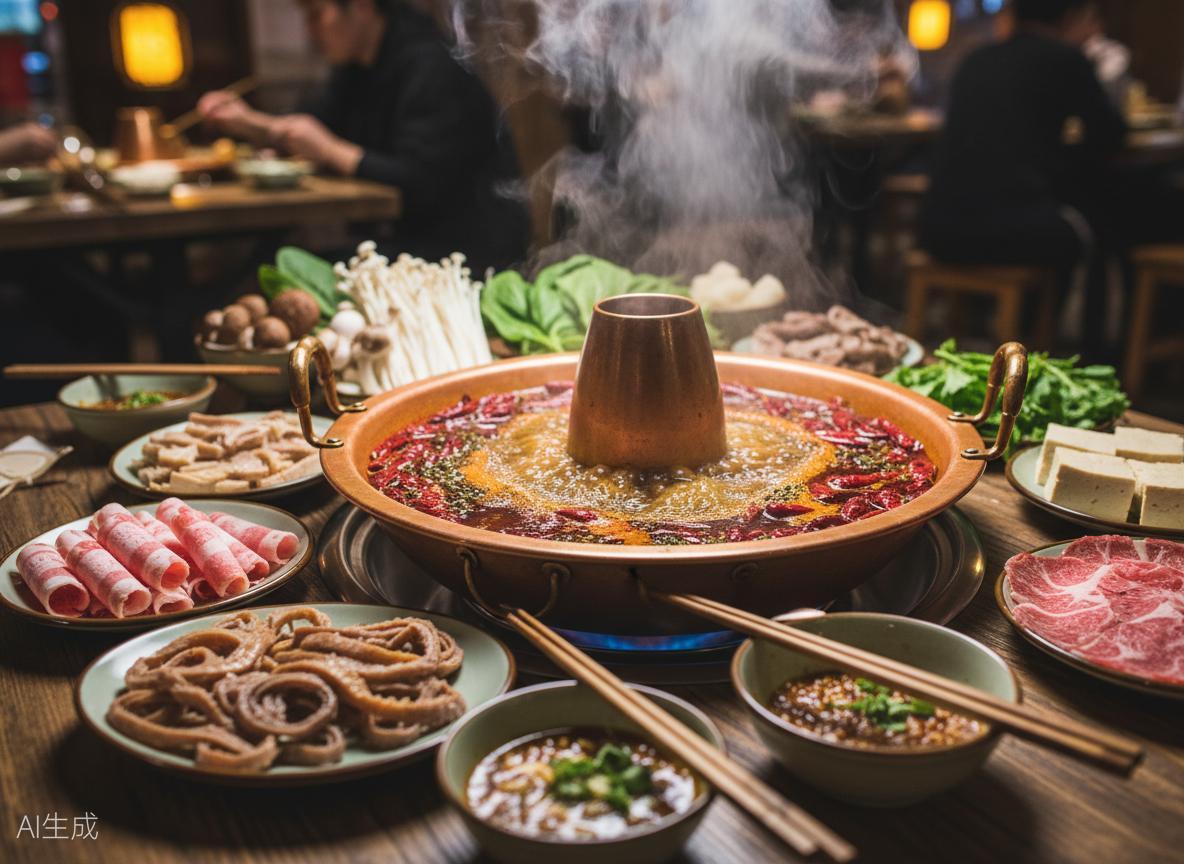
Sichuan Hot Pot
The soul of Chengdu cuisine — bubbling red oil, numbingly spicy and fragrant. Dip tripe seven times up and down, enjoy crispy duck intestines, and let melt-in-your-mouth tender beef captivate your palate.
Recommended: Xiao Long Kan Hot Pot
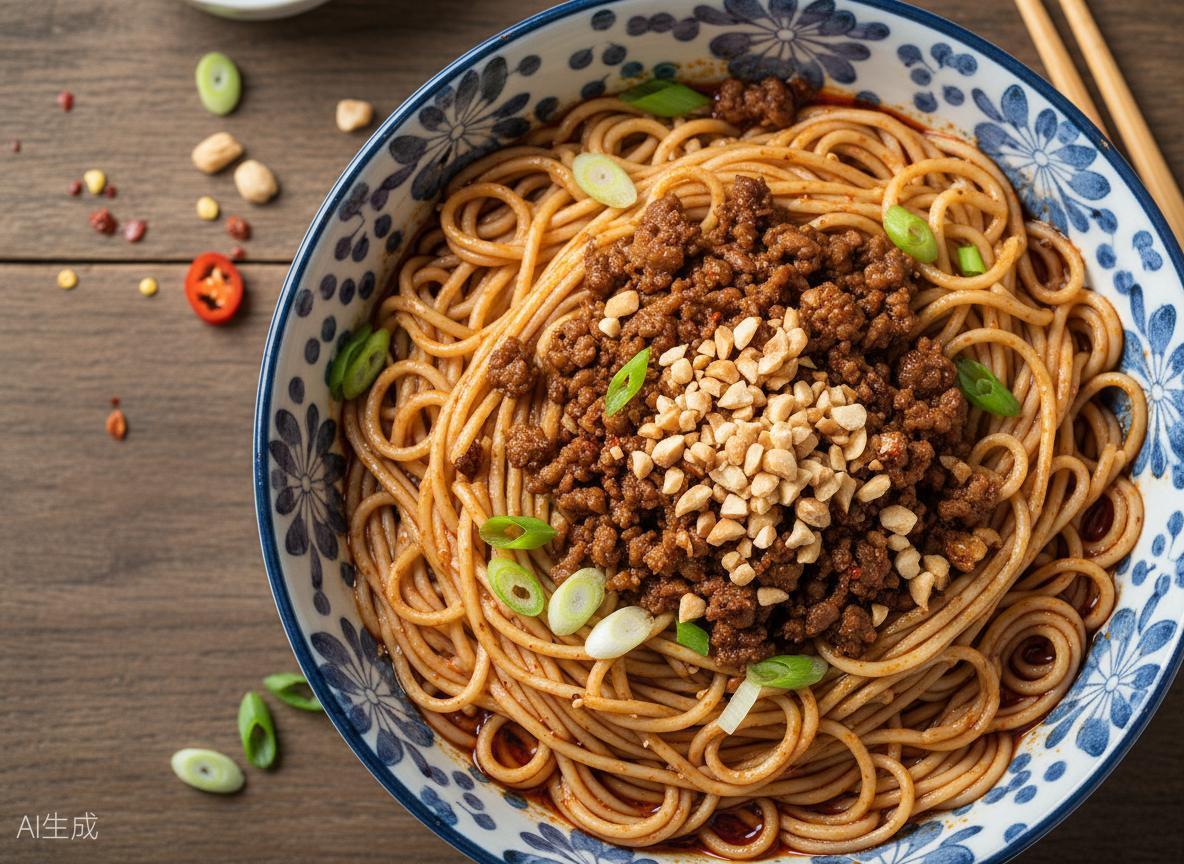
Dandan Noodles
Thin noodles in a savory, crispy sauce with a hint of spice and an aromatic finish. Topped with crushed peanuts and scallions, drizzled with chili oil — one bowl leaves a lingering aftertaste.
Recommended: Chen Mapo Tofu (Luomashi Branch)
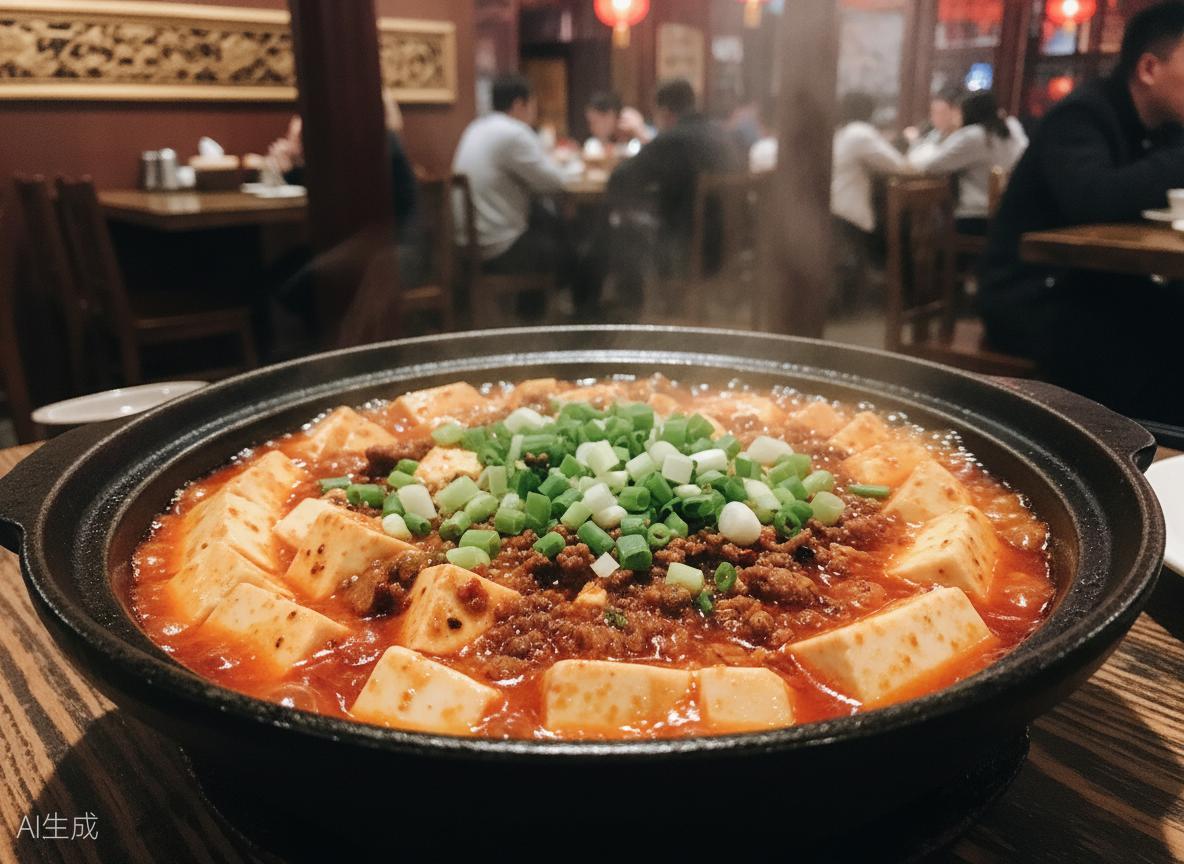
Mapo Tofu
A classic Sichuan dish first created in 1874. The tofu is white as jade, entering the mouth with numbing spice and savory flavor, tender tofu paired with minced beef and Sichuan peppercorn.
Recommended: Chen Mapo Tofu Main Store
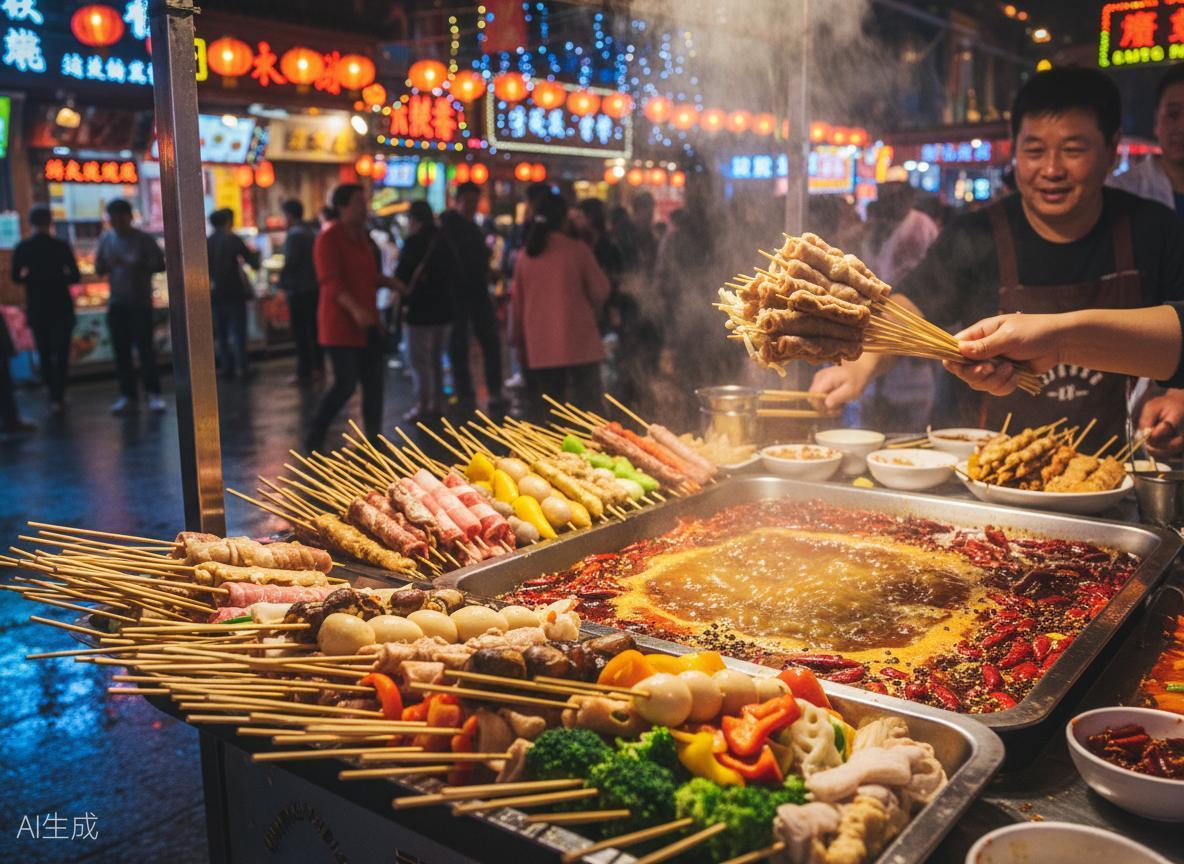
Chuan Chuan Xiang (Skewered Delights)
Skewers of various ingredients cooked in a spicy hot pot broth — cook and eat as you go, affordable and satisfying. Dozens of meat and vegetable options to choose from.
Recommended: Gang Guan Chang Xiao Jun Gan
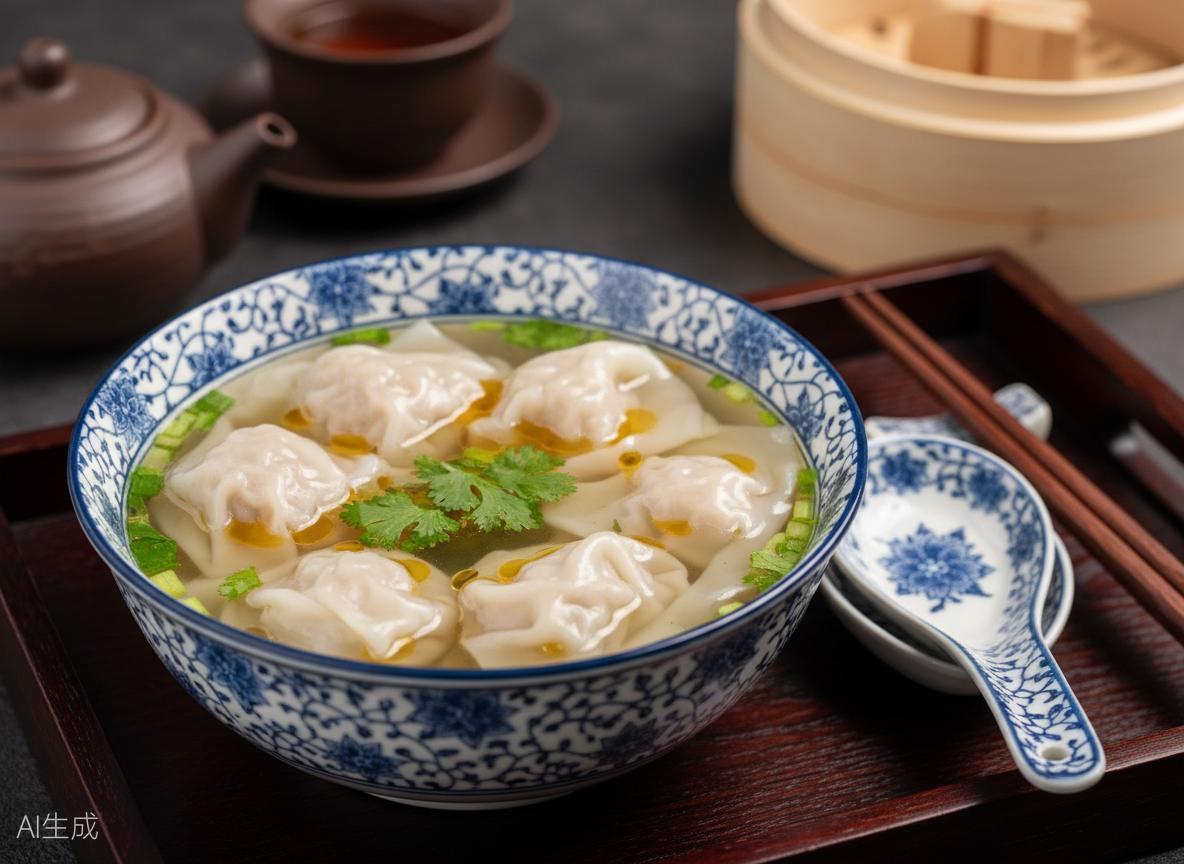
Long Chao Shou (Wontons)
Delicate wrappers with tender, savory filling. The red oil version is numbingly spicy and fragrant, while the original broth is light and fresh. A famous Chengdu snack.
Recommended: Long Chao Shou Main Store
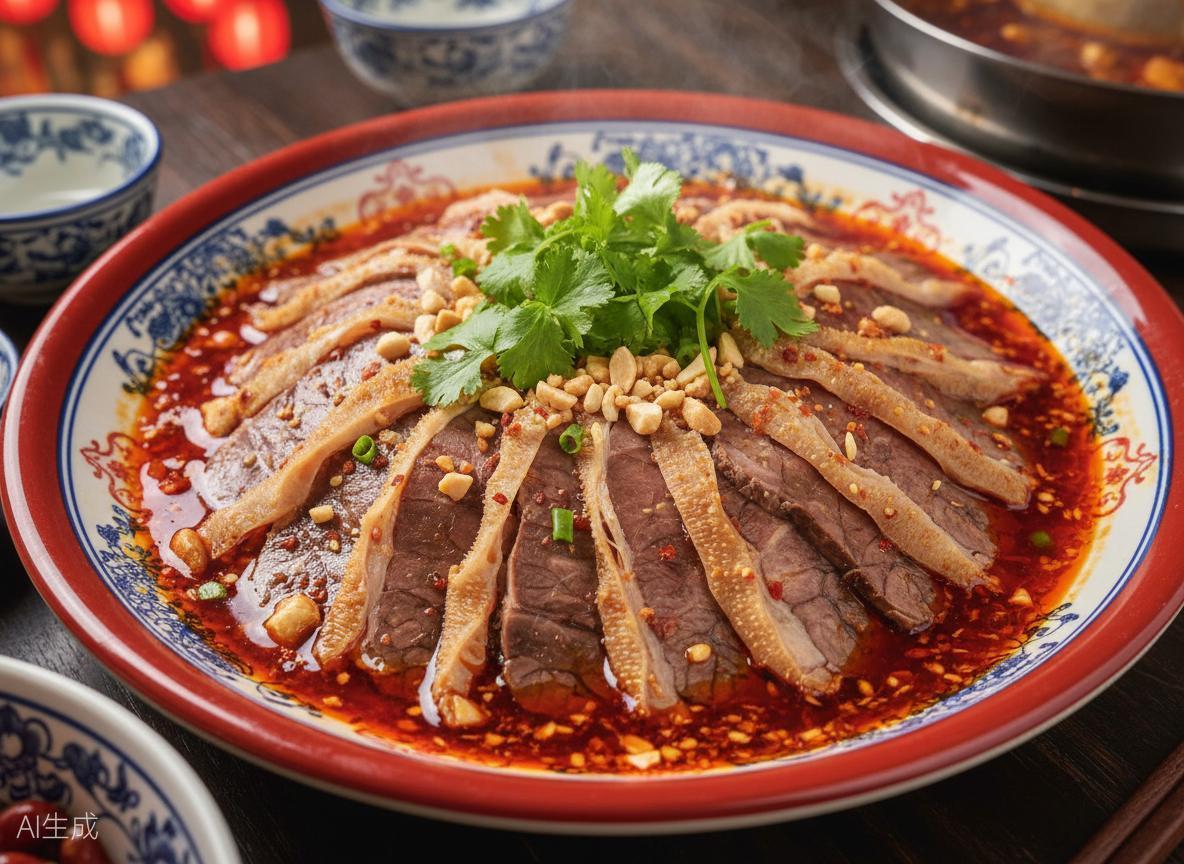
Fuqi Feipian (Sliced Beef & Offal)
A traditional Chengdu cold dish created by Mr. and Mrs. Guo Zhaohua. Thinly sliced beef and offal, paper-thin, dressed in a secret sauce of chili oil, Sichuan peppercorn, and sesame.
Recommended: Fuqi Feipian Main Store
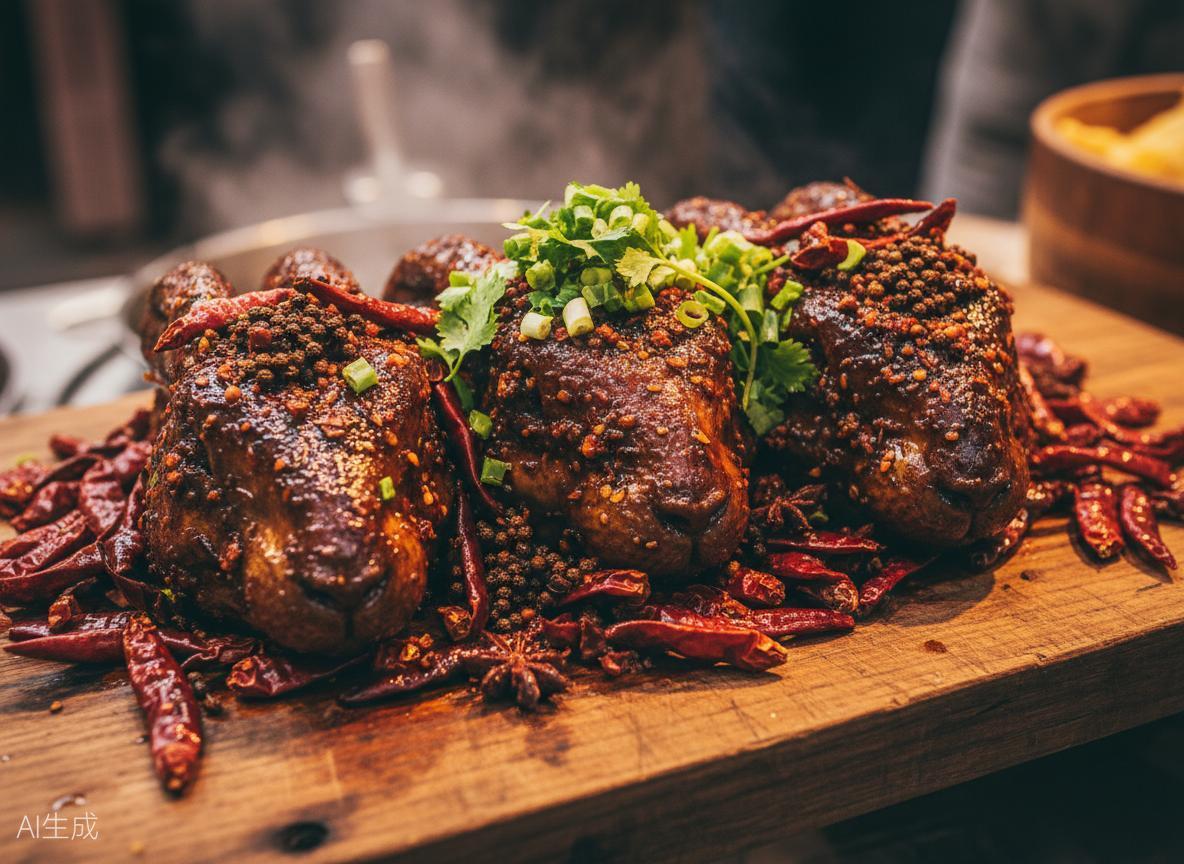
Spicy Rabbit Head
Chengdu's most distinctive late-night snack. The rabbit meat is tender and thoroughly flavored, with spicy seasoning penetrating every strand of meat.
Recommended: Shuanglao Mama Rabbit Head
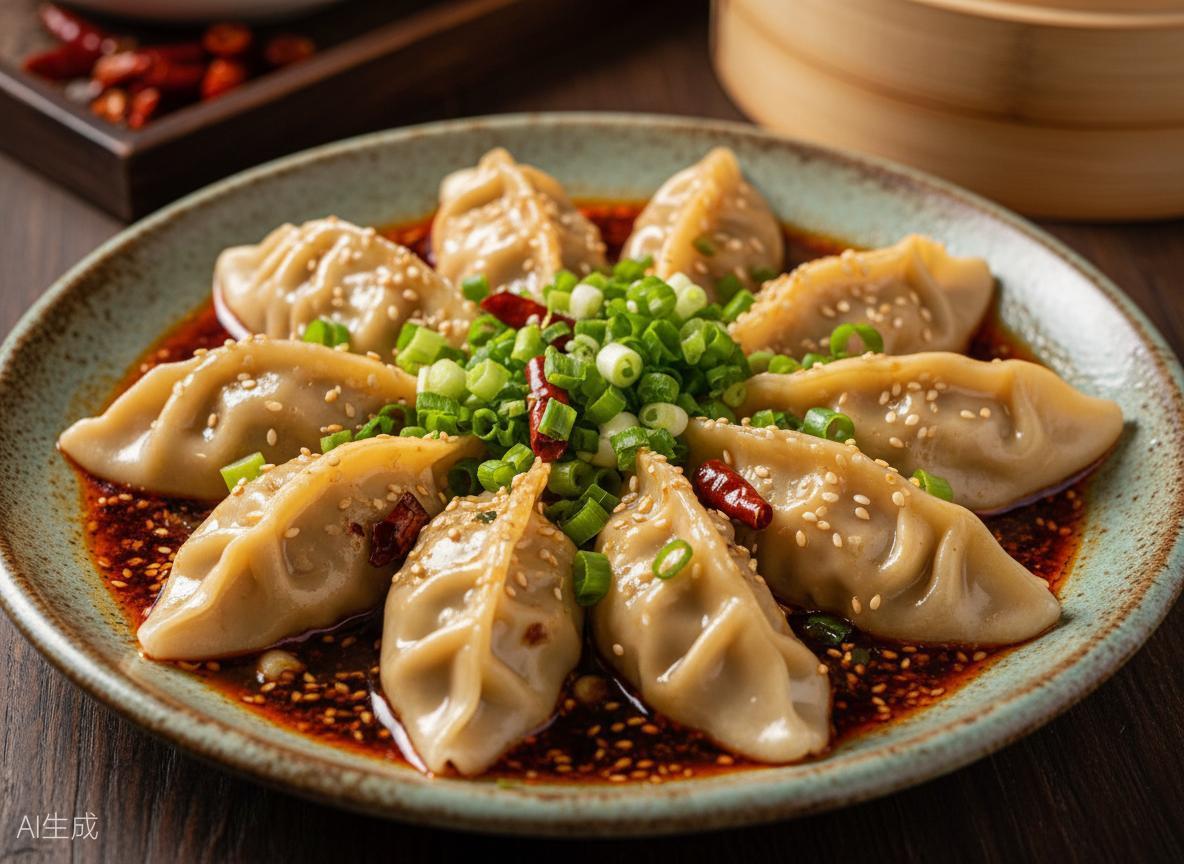
Zhong Dumplings
A traditional Chengdu snack founded in 1893. Thin-skinned dumplings with generous filling, topped with a special chili oil sauce — perfectly balanced sweet and spicy.
Recommended: Zhong Dumplings People's Park Branch
Curated Itineraries
Suggested Routes in Chengdu
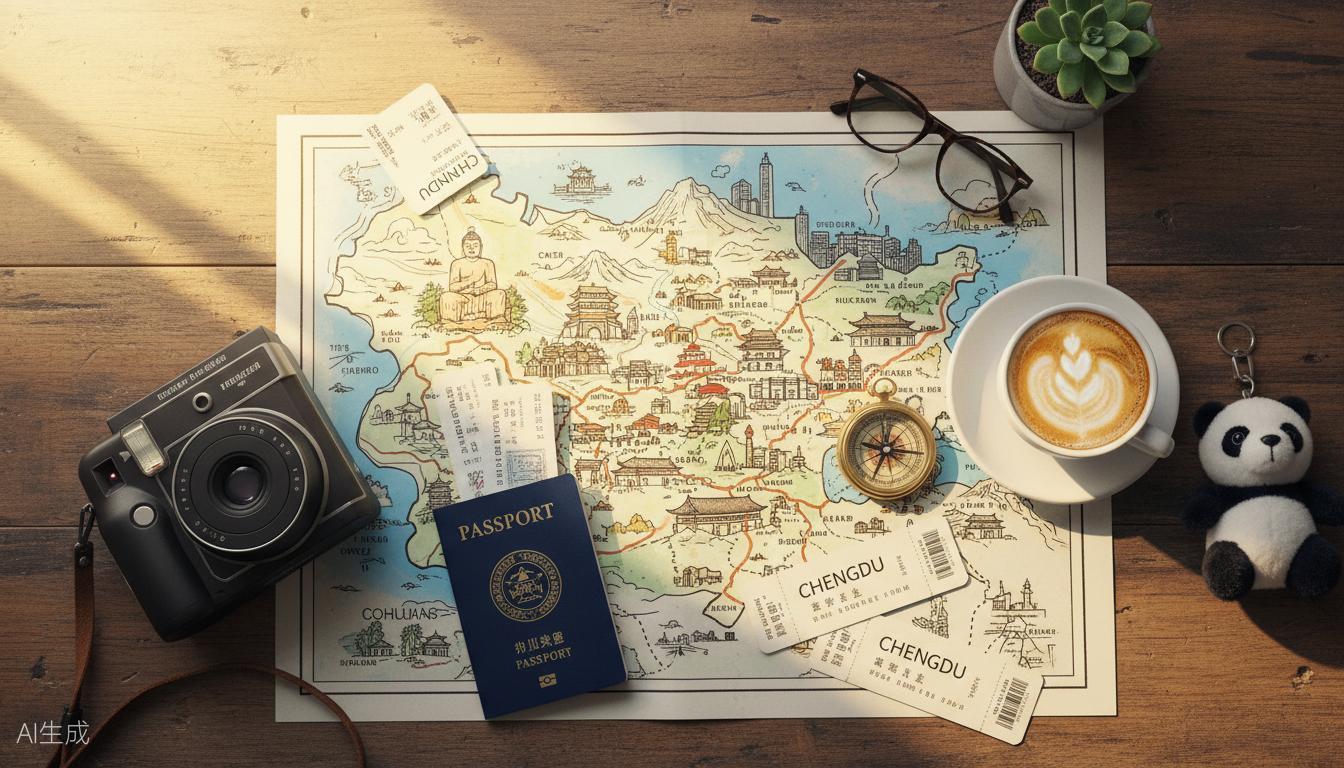
Chengdu Classic 3-Day Trip
Cover Chengdu's most iconic attractions and food experiences, from giant pandas to ancient streets, from Three Kingdoms culture to modern shopping districts.
Chengdu Food Deep-Dive 4-Day Trip
A deep-dive route designed for foodies — from street skewers to high-end Sichuan cuisine, from century-old teahouses to trendy dessert spots, something different every day.
Chengdu Nature & Culture 5-Day Trip
A deep-dive route combining natural scenery and cultural history — visit Dujiangyan's ancient waterworks, explore Qingcheng Mountain, see giant pandas, stroll ancient streets and taste local cuisine.
Focused Guides
Plan Chengdu by Interest
Chengdu Teahouse Guide
Plan People's Park, Heming Teahouse, gaiwan tea, and Chengdu's slow travel rhythm.
Open focused guide
Chengdu tea and panda itineraryChengdu Tea and Panda Itinerary
Pair the panda base with teahouses, Sichuan food, and a relaxed first-time Chengdu day.
Open focused guide
tea culture cities in ChinaTea Culture Cities in China
Compare Chengdu teahouses with tea mountains, teahouses, and routes across China.
Open focused guide
Trip Planning
Travel Budget for Chengdu
Transport
Dining
Attractions
Accommodation
Total estimated budget: $357 per person
Actual costs vary by travel style, season, and booking choices.
Common Questions
Chengdu Travel FAQ
What is the best time to visit Chengdu?
Mar-Jun, Sep-Nov is generally the best season, with comfortable weather for sightseeing and outdoor activities.
How many days are recommended for Chengdu?
4 days is a practical baseline for first-time visitors covering major highlights.
What is a typical travel budget in Chengdu?
A common reference is around $357 per person, depending on hotel level, transport, and attraction choices.
Is Chengdu suitable for family travel?
Yes. Chengdu has diverse attractions, flexible route options, and accommodation levels suitable for family trips.
Sources & citations
Where Chengdu guide data comes from
Every fact in this Chengdu guide is cross-checked against the official sources below. Open any link to read the underlying source data.
- UNESCO Creative Cities Network — Chengdu (City of Gastronomy) ↗
Official UNESCO designation page confirming Chengdu's 2010 entry into the Creative Cities Network as a City of Gastronomy.
- Chengdu Research Base of Giant Panda Breeding — Official Site ↗
The research base that operates the giant panda breeding program visited by almost every Chengdu traveler.
- UNESCO World Heritage — Mount Qingcheng and Dujiangyan Irrigation System ↗
UNESCO World Heritage listing for Mount Qingcheng and the Dujiangyan Irrigation System, both day-trip destinations from Chengdu.
More Walk Voyage
Explore Other China Cities
Continue your journey through China with our other curated city guides — pandas, hot pot, karst landscapes, classical gardens, and more.
Chongqing
Chongqing / 重庆
A dramatic mountain city of hot pot, rivers, night views, and layered urban streets.
Explore Chongqing →
Jiangsu
Suzhou / 苏州
Classical gardens, canal streets, silk culture, and quiet Jiangnan elegance.
Explore Suzhou →
Hunan
Changsha / 长沙
Bold street food, riverside nightlife, museums, and youthful city energy.
Explore Changsha →
Zhejiang
Shaoxing / 绍兴
Lu Xun's hometown, ancient calligraphy capital, and home of China's iconic yellow wine.
Explore Shaoxing →
Jiangxi
Jiujiang / 九江
Yangtze-side gateway to UNESCO Mount Lu, Poyang Lake wetlands, and one of China's most atmospheric old riverfronts.
Explore Jiujiang →
Shandong
Qingdao / 青岛
Red-tile harbor city on the Jiaodong Peninsula, home of Tsingtao beer, the holy Taoist mountain of Laoshan, and a 19th-century German concession old town.
Explore Qingdao →
Hebei
Zhangjiakou / 张家口
Historic gateway between the North China plain and the Mongolian steppe, 2022 Winter Olympics co-host, and starting point of the famous Grassland Sky Road drive.
Explore Zhangjiakou →
Fujian
Xiamen / 厦门
Walkable island city on the Taiwan Strait, paired with the UNESCO World Heritage piano island of Gulangyu, Minnan street food, and the 1,300-year Quanzhou West Street.
Explore Xiamen →
Heilongjiang
Harbin / 哈尔滨
19th-century Russian-built city on the Songhua River, home of the world-famous Ice and Snow Festival, Central Avenue, Saint Sophia Cathedral, and the Siberian Tiger Forest Park.
Explore Harbin →
Liaoning
Dalian / 大连
Harbor city on the southern tip of the Liaodong Peninsula, home of Jinshitan Golden Pebble Beach, Laohutan Ocean Park, the 32-km Binhai Road, and Bohai seafood.
Explore Dalian →
Sichuan
Aba (Tibetan & Qiang) / 阿坝
Western Sichuan highland prefecture, home of UNESCO Jiuzhaigou and Huanglong, Mount Siguniang, the Ruoergai grasslands, and the rich Qiang and Tibetan ethnic cultures.
Explore Aba (Tibetan & Qiang) →
Guangdong
Zhuhai / 珠海
A relaxed coastal city for islands, seafood, family attractions, and sea views.
Explore Zhuhai →
Guangdong
Shenzhen / 深圳
China's tech-capital megalopolis with the OCT theme park cluster, the 599m Ping An Finance Center, and Greater Bay Area coastal escapes.
Explore Shenzhen →
Hebei
Qinhuangdao / 秦皇岛
Seaside escapes, the Great Wall by the sea, beaches, and northern coastal scenery.
Explore Qinhuangdao →
Guangxi
Guilin / 桂林
World-famous karst landscapes along the Li River, ancient Yangshuo streets, terraced rice fields, and timeless Guangxi scenery.
Explore Guilin →
Yunnan
Kunming / 昆明
Yunnan's 'Spring City' capital at 1,891 m, the gateway to the UNESCO Stone Forest, the 330 km2 Dianchi Lake, and the entire Yunnan travel network.
Explore Kunming →
Yunnan
Dali / 大理
The Bai minority old capital between the 4,122 m Cangshan Mountain and the 250 km2 Erhai Lake, the mid-point of the classic Yunnan route.
Explore Dali →
Yunnan
Lijiang / 丽江
The UNESCO 800-year-old Naxi old town at 2,400 m, the gateway to the 5,596 m Yulong Snow Mountain, the Tiger Leaping Gorge, and the Mosuo Lugu Lake.
Explore Lijiang →
Hebei
Chengde / 承德
The Qing-dynasty summer capital with the UNESCO Mountain Resort (Bishu Shanzhuang), the 12 surviving Outer Temples, the Jinshanling Great Wall, and the Bashang plateau grasslands.
Explore Chengde →
Hebei
Shijiazhuang / 石家庄
Hebei's capital city with the 1,600-year-old Zhengding Ancient City, the Song-dynasty Longxing Temple, the UNESCO-tentative Zhaozhou Bridge, and the Taihang mountain escapes.
Explore Shijiazhuang →
Shanxi
Taiyuan / 太原
Shanxi's 2,500-year-old capital on the Fen River, home of the 1,500-year-old Jinci Temple, the Shanxi Museum, the Donghu Vinegar Garden, and the most-celebrated knife-cut noodles in China.
Explore Taiyuan →
Shanxi
Datong / 大同
Northern Wei capital on the Great Wall frontier, home of the UNESCO Yungang Grottoes (252 caves, 51,000+ statues), the Liao-dynasty Huayan Temple, the Hanging Temple, and the reconstructed Ming city wall.
Explore Datong →
Shanxi
Shuozhou / 朔州
Northern Shanxi frontier city in the historic Dai County region, home of the 1,000-year-old Yingxian Wooden Pagoda (the world's tallest surviving all-wood pagoda at 67.31 m, built without nails in 1056).
Explore Shuozhou →
Shanxi
Xinzhou / 忻州
Northern Shanxi prefecture, gateway to two UNESCO sites: the sacred Buddhist Mount Wutai (47 active temples, Tang-era Foguang Temple) and the strategic Ming-Great-Wall Yanmen Pass on the ancient frontier.
Explore Xinzhou →
Shanxi
Lvliang / 吕梁
Western Shanxi's Yellow-River-side prefecture, home of the 5A Qikou Ancient Town on the Yellow River, the Loess Plateau cave dwellings, and the 2,800-year-old Mian Mountain battlefield.
Explore Lvliang →
Shanxi
Jinzhong / 晋中
Heart of the historic Jin (Shanxi) merchant country, home of the UNESCO Pingyao Ancient City (2,800-year-old Ming-Qing walled town), the Qiao Family Compound, the Mianshan Mountain, and the Zhangbi Ancient Fortress.
Explore Jinzhong →
Shanxi
Yangquan / 阳泉
Eastern Shanxi city at the foot of the Taihang Mountains, gateway to the 5A Cang Mountain, the historic Niangzi Pass (one of the Great Wall's nine strategic passes), and the Lutou Mountain.
Explore Yangquan →
Shanxi
Changzhi / 长治
Southeastern Shanxi gateway to the 5A Taihang Mountain Grand Canyon, the historic Shangdang region, the ancient Licheng walled town, and the famous Changzhi donkey meat and Lucheng hand-shaken pie.
Explore Changzhi →
Shanxi
Jincheng / 晋城
Southeastern Shanxi city on the Taihang edge, home of the 5A Huangcheng Xiangfu (the 300-year-old Chen Family Mansion, 'House of the Emperor'), Wangmangling's spectacular Taihang cliffs, and the Qing-era temple clusters.
Explore Jincheng →
Shanxi
Linfen / 临汾
Southern Shanxi cradle of Yao and Shun Chinese-civilization mythology, home of the 5A Yellow-River Hukou Waterfall (China's second-largest waterfall), the Hongdong Locust-Tree ancestral park, and the Xiaoxitian Buddhist grottoes.
Explore Linfen →
Shanxi
Yuncheng / 运城
Southernmost Shanxi city on the Yellow River, home of the 5A Salt Lake (one of the world's three inland salt lakes), the 700-year-old Yongle Palace murals, the 5A Guandi Temple, and the 6,000-year-old Houma bronze civilization.
Explore Yuncheng →
Shandong
Yantai / 烟台
Jiaodong Peninsula coastal city, home of the legendary Penglai Pavilion (one of China's Four Great Pavilions), the Changyu Wine Culture Museum (China's first industrial winery, 1892), the 40-island Changdao archipelago in the Bohai-Yellow Sea border, and the Jiaodong seafood tradition.
Explore Yantai →
Shandong
Jinan / 济南
Shandong's 2,500-year-old capital, the 'City of Springs' (Quancheng) with 720 named natural springs, the Baotu Spring (Number One Spring Under Heaven), the Shandong Museum, and the cradle of Lu cuisine (Jinan school).
Explore Jinan →
Shandong
Tai'an / 泰安
The gateway city to Mount Tai, the Eastern Sacred Mountain of China and UNESCO World Heritage, climbed by 72 emperors over 3,000 years. The 1,545-m Yuhuang Summit sunrise is the most-celebrated sunrise in China.
Explore Tai'an →
Shandong
Weihai / 威海
Coastal city on the eastern tip of the Shandong Peninsula, home of Liugong Island (the 1895 Sino-Japanese War memorial, the home of the Beiyang Fleet), the 40-km Huanhai Road coastal loop, the Rongcheng Swan Lake (winter Siberian swans), and the Korean-influenced food scene.
Explore Weihai →
Shandong
Zibo / 淄博
Central Shandong industrial and cultural city, the 2,000-year-old capital of the ancient Qi State, the 2023 viral Zibo small-pancake barbecue capital, and the home of the Zhoucun Ancient Commercial City and the Liaozhai City (Pu Songling memorial).
Explore Zibo →
Shandong
Qufu / 曲阜
Birthplace of Confucius in southwestern Shandong, with the UNESCO World Heritage Temple, Cemetery, and Mansion of Confucius (San Kong) - the 2,500-year-old ancestral complex of Confucianism, the Confucius Museum, and the Nishan Sacred Land.
Explore Qufu →
Shandong
Qingzhou / 青州
A 1,400-year-old ancient city in central Shandong, one of China's oldest continuously inhabited cities. Home of the Qingzhou Museum (with the 1996 Longxing Temple Buddhist statue discovery), the Yunmen Mountain cliff carving, and the Tuo Mountain Northern Wei grottoes.
Explore Qingzhou →
Shandong
Rizhao / 日照
Southern Shandong coastal city facing the Yellow Sea, with the 6-km Wanpingkou Beach (the most-sunrised beach in Shandong), the only coastal National Forest Park in China, the Dongyi Old Town, and the unique coastal 'sea of tea' plantations.
Explore Rizhao →
Shandong
Weifang / 潍坊
The world capital of kites in central Shandong, home of the Weifang International Kite Festival (April), the 1,500-year-old Shihu Garden, the Fangzi German-Japanese Old Town, the Bohai Eye spokeless ferris wheel, and the Yangjiabu New Year Painting village.
Explore Weifang →
Shandong
Linyi / 临沂
The largest city in Shandong (11+ million population) in the southeast, home of the 5A Mount Meng National Forest Park, the 2,000-year-old Yinqueshan Han Tomb Bamboo Slips (with the Sun Bin's Art of War), the Langya Ancient City, and the Wang Xizhi Former Residence.
Explore Linyi →
Shandong
Jining / 济宁
Home of Mencius in southwestern Shandong, with the 2,400-year-old Mencius Temple and Mansion in Zoucheng, the 1,000-year-old Baoxiang Temple with the 1,500-year-old underground palace, the Weishan Lake Red Lotus Wetland, and the Jining Canal Heritage.
Explore Jining →
Shandong
Dongying / 东营
Northernmost Shandong city on the Bohai Sea, home of the 5A Yellow River Delta National Park, the Red-Crowned Crane Sanctuary, the seasonal red-beach (red seepweed in October), and the Shengli Oilfield.
Explore Dongying →
Shandong
Zaozhuang / 枣庄
Southern Shandong city on the Grand Canal, home of the 5A Taierzhuang Ancient City (the most-celebrated living Grand Canal town), the 1938 Battle of Taierzhuang Memorial, the Weishan Lake Red Lotus Wetland, and the famous Zaozhuang spicy chicken.
Explore Zaozhuang →